Why younger consumers are redefining packaging – and what B2B brands must do now
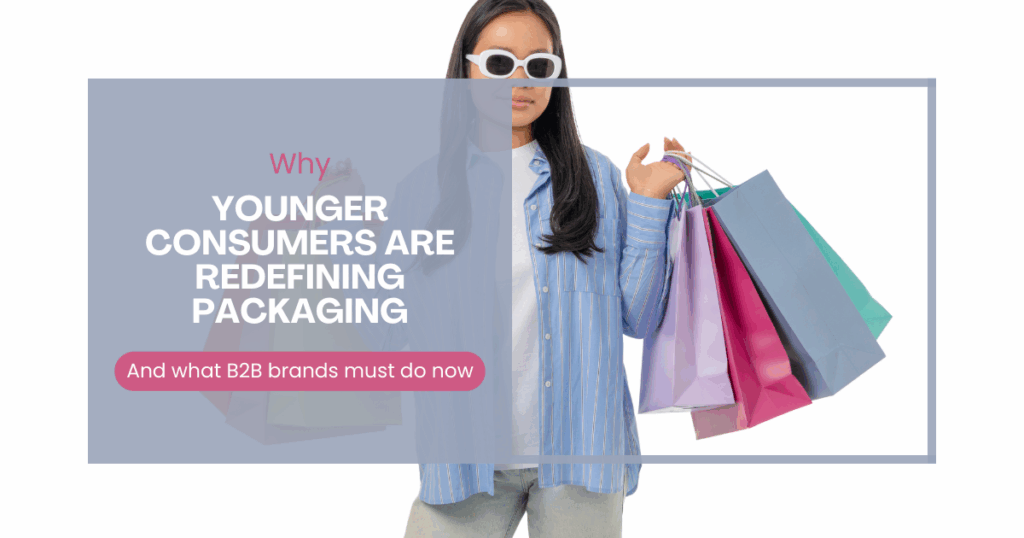
A major shift in global consumer behavior is underway, deeply transforming how brands think about packaging. Younger generations – especially Gen Z and Millennials – are not just passively supporting sustainability; they are actively demanding it.
This shift goes far beyond the trend. It is reshaping purchasing decisions, influencing household buying behaviors, and pushing B2B brands to rethink their packaging strategies from the ground up.
Sustainability has become a core buying factor
Recent global studies show the strength of this shift:
Nearly 80% of consumers look for products with sustainable packaging
Over 70% say they recently purchased a product because of its eco-friendly packaging
63% are less likely to buy products with harmful packaging
Among Gen Z and Millennials, around 90% are willing to pay more for sustainable packaging
This is not just a behavior pattern – it’s a consumer identity.
Sustainability communicates values, responsibility, and brand trust.
Younger generations drive choices beyond their demographics
Studies show that households with children are far more likely to avoid plastic packaging, demonstrating how younger consumers influence spreads to overall household decisions.
In other words:
- A Gen Z shopper influences the entire family’s buying choices.
- And those preferences influence corporate procurement and brand standards.
This is why consumer-facing brands have increasingly high expectations for their B2B packaging suppliers.
What this means for B2B packaging companies
Brands today expect packaging solutions that are:
- Sustainable
- Plastic-reduced or plastic-free
- Recyclable
- Responsibly source
- Minimal yet protective
- Visually appealing and premium
Packaging is no longer just protection, it’s a sign of brand values.
As sustainability becomes a baseline requirement, B2B suppliers must step up with advanced, high-performance, eco-friendly materials that meet evolving expectations.
Small choices create big impact
Whether it’s selecting recyclable paper-based packaging or reducing the plastic content, every individual packaging choice influences a broader consumer trend.
Brands that make the shift to sustainable packaging early gain a significant competitive advantage. They are more likely to attract younger, eco-conscious customers, strengthen long-term loyalty, and enhance overall brand reputation. At the same time, sustainable packaging helps reduce environmental impact and ensures companies stay ahead of upcoming regulatory changes.
The message from consumers is clear.
If your packaging isn’t sustainable, your product feels outdated.
Author
Maša Tomažič PerkoRelated posts
How to choose your next palletizing equipment
In today’s fast-paced manufacturing and logistics environments, the efficiency
Ranpak paper: eco-friendly cushioning for protective and sustainable packaging
In today’s fast-paced world of e-commerce, fulfillment, and industrial logisti
5 ideas for sustainable packaging to make your brand eco-friendly
As environmental awareness grows, consumers are increasingly paying attention to